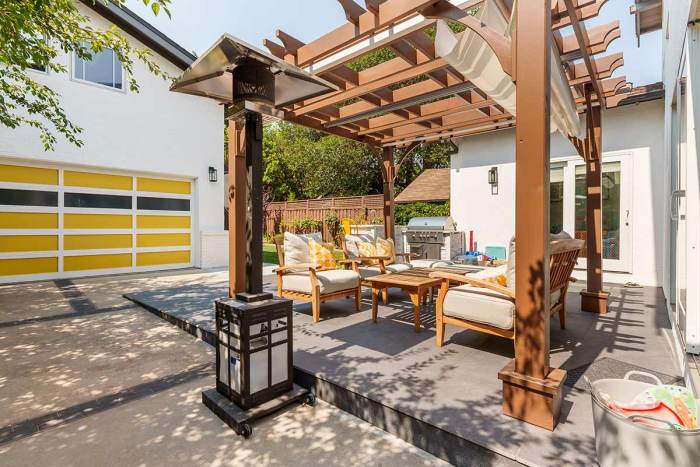
Outdoor concrete kitchens are revolutionizing outdoor cooking spaces, combining durability with modern aesthetics. They offer a perfect blend of functionality and style, making them a popular choice for homeowners looking to enhance their outdoor living areas.
With their versatile designs and robust materials, outdoor concrete kitchens can withstand the elements while providing a stylish space for entertaining and cooking. From barbecues to family gatherings, these kitchens transform backyards into culinary havens.
Outdoor Concrete Kitchens Overview
Outdoor concrete kitchens are designed to extend living spaces outdoors, combining functionality with modern aesthetics. They typically feature durable concrete surfaces for countertops, cooking areas, and sometimes even seating. The primary appeal of these kitchens lies in their resilience against the elements, low maintenance requirements, and customizable designs.Concrete offers numerous benefits for outdoor kitchens. Its durability ensures that the kitchen withstands harsh weather conditions, while its versatility allows for various design styles, from sleek and contemporary to rustic and traditional.
Popular designs include L-shaped layouts, integrated grilling stations, and bar-style seating that promote social interaction.
Benefits of Using Concrete
Concrete is a champion in outdoor kitchen materials due to its robustness and adaptability. Key advantages include:
- Durability: Concrete can endure extreme temperatures and resist cracking.
- Low Maintenance: It requires minimal upkeep compared to wood or metal.
- Customizability: Concrete can be molded into any shape or color, giving homeowners endless design options.
Popular Designs and Styles
Concrete kitchens can match a variety of home aesthetics. Some popular styles include:
- Modern Minimalist: Clean lines and monochromatic colors.
- Rustic Charm: Textured concrete paired with natural wood elements.
- Industrial: Distressed finishes and metal accents.
Home Improvement and Outdoor Concrete Kitchens
Outdoor concrete kitchens play a significant role in enhancing home improvement projects, providing an attractive and functional outdoor cooking area. They not only increase the value of a property but also improve the overall lifestyle by offering more space for cooking, entertaining, and dining.Planning an outdoor concrete kitchen requires thoughtful design consideration. Start by evaluating the available space and determining the primary functions of the kitchen, whether for casual family meals or large gatherings.
It’s advisable to sketch a layout and consult with professionals to ensure a practical and visually appealing design.
Common Challenges During Installation
When installing outdoor concrete kitchens, several challenges may arise:
- Weather conditions can delay construction timelines.
- Proper drainage must be considered to prevent water pooling.
- Integrating utilities like gas and electricity may require permits and expert installation.
Home Improvement Appliances for Outdoor Kitchens
Essential appliances are crucial for optimizing the functionality of outdoor concrete kitchens. Homeowners should select appliances that are not only efficient but also withstand outdoor conditions.When choosing appliances, consider features such as:
- Weather Resistance: Ensure durability against rain, sun, and temperature fluctuations.
- Energy Efficiency: Look for ENERGY STAR-rated appliances to reduce utility costs.
- Size and Space: Choose appliances that fit the kitchen layout without overcrowding.
Energy-Efficient Options
Many modern outdoor kitchen appliances are designed with energy efficiency in mind. Homeowners can opt for:
- Compact grills that use less fuel.
- Refrigerators with energy-saving settings.
- Solar-powered lighting to illuminate outdoor spaces sustainably.
Bath and Shower Elements in Outdoor Kitchens
Incorporating bath and shower elements near outdoor concrete kitchens enhances the overall outdoor experience. This setup can provide convenience, especially for rinsing off after cooking or swimming.Outdoor bathing spaces complement concrete kitchens by adding functionality and relaxation opportunities. Design ideas include:
- Outdoor showers enclosed by decorative stone or wooden slats.
- Separate bathing areas with privacy screens for added comfort.
Design Ideas for Integration
To create a cohesive space that blends cooking and bathing, consider:
- Matching materials between the kitchen and shower areas for a unified look.
- Strategically placed plants or landscaping to provide privacy and enhance aesthetics.
- Lighting that highlights both the kitchen and bathing spaces for evening use.
Cabinets for Outdoor Concrete Kitchens
Choosing the right materials for outdoor kitchen cabinets is vital to ensure longevity and style. Suitable materials include stainless steel, marine-grade polymer, and treated wood.Designing custom cabinets can enhance the overall aesthetics of an outdoor kitchen. Key design considerations include:
- Color Matching: Select colors that complement the concrete surfaces.
- Functional Layout: Create a layout that maximizes storage while allowing easy access to essential items.
Storage Solutions
Optimizing storage in outdoor concrete kitchens can enhance efficiency. Ideas include:
- Incorporating pull-out drawers for easy access to utensils and tools.
- Designing cabinets with built-in spice racks and wine storage.
Cleaning Tips and Tools for Concrete Surfaces
Keeping outdoor concrete kitchens clean is essential for maintaining their appearance and prolonging their lifespan. Effective cleaning methods include regularly sweeping and using a pressure washer for deeper cleaning.For maintaining concrete surfaces, it is recommended to use:
- pH-Neutral Cleaners: These prevent damage while effectively removing dirt.
- Soft-Bristled Brushes: Ideal for scrubbing without scratching the surface.
Importance of Sealing Concrete
Sealing concrete surfaces is crucial for protecting against stains and moisture. To seal effectively:
- Choose high-quality sealers designed for outdoor use.
- Apply sealer every few years to maintain effectiveness.
Feng Shui Principles for Outdoor Spaces
Applying Feng Shui concepts to outdoor concrete kitchens can create a harmonious and inviting atmosphere. Key elements for achieving balance include ensuring a clear flow of movement and using natural materials.To enhance harmony in outdoor kitchen spaces:
- Incorporate plants and natural elements to soften concrete surfaces.
- Use warm, inviting colors for decor to promote relaxation.
Layout and Orientation
The layout of an outdoor kitchen plays a significant role in its functionality and energy. Consider:
- Positioning the kitchen to take advantage of natural light.
- Arranging appliances and seating to promote social interaction.
Flooring Options for Outdoor Kitchens
Selecting the right flooring material is crucial for the longevity and usability of outdoor concrete kitchens. Various options include natural stone, stamped concrete, and tile.When choosing flooring, consider:
- Durability: Opt for materials that can withstand outdoor conditions.
- Slip Resistance: Ensure safety, especially in wet areas.
Installation Tips for Outdoor Kitchen Flooring
Proper installation is key to a long-lasting outdoor kitchen floor. Recommendations include:
- Ensuring a solid, level base before laying flooring.
- Using appropriate adhesives and grouts for outdoor conditions.
Outdoor Furniture for Concrete Kitchens
Choosing the right furniture can significantly enhance the functionality and aesthetics of outdoor concrete kitchens. Styles that pair well include modern metal furnishings and comfortable wicker seating.When selecting outdoor furniture, consider:
- Weather Resistance: Choose materials that can withstand the elements, such as aluminum or treated wood.
- Comfort: Incorporate cushions and ergonomic designs for a relaxed dining experience.
Layout Ideas for Arranging Furniture
A well-planned furniture layout can improve usability. Suggestions include:
- Creating distinct zones for cooking, dining, and lounging.
- Arranging seating to facilitate conversation and interaction.
Green Living Practices for Outdoor Kitchens
Incorporating eco-friendly materials and practices in outdoor concrete kitchens promotes sustainability. Options include using recycled materials for countertops and energy-efficient appliances.Sustainable gardening methods can also enhance outdoor kitchens. Consider:
- Using native plants that require less water.
- Implementing composting systems for organic waste.
Water Conservation Techniques
To conserve water in outdoor kitchens, homeowners can:
- Install drip irrigation systems for surrounding gardens.
- Utilize rainwater harvesting systems to water plants.
Home Inspections Related to Outdoor Kitchens
During home inspections, inspectors assess various elements of outdoor concrete kitchens to ensure safety and functionality. Key areas of focus include the structural integrity, plumbing, and electrical systems.Common issues that may arise during inspections include:
- Improper installation of gas lines for grills.
- Inadequate drainage leading to water pooling.
Importance of Regular Maintenance
Regular maintenance and inspections are essential for keeping outdoor kitchens in good condition. Homeowners should:
- Schedule annual inspections to identify potential issues early.
- Maintain cleanliness to prevent deterioration of materials.
House Plans Featuring Outdoor Concrete Kitchens
Many modern house plans integrate outdoor concrete kitchens, enhancing both functionality and aesthetic appeal. These designs often prioritize seamless transitions between indoor and outdoor spaces.Outdoor kitchens can enhance house plans by:
- Providing additional space for entertaining, thus increasing the home’s usability.
- Creating a pleasing focal point in backyards.
Designing Cohesive Indoor and Outdoor Spaces
For a cohesive indoor-outdoor living experience, consider:
- Using similar materials and color palettes across both areas.
- Incorporating large windows or sliding doors for easy access and visual connection.
Interior Design and Decorating Ideas
Outdoor concrete kitchens can influence interior design choices by encouraging a seamless flow between indoor and outdoor themes. This can lead to decor choices that blend both spaces beautifully.Color schemes that complement outdoor kitchens typically include earthy tones and natural hues. Decor styles can range from rustic farmhouse to modern chic, depending on personal preference.To enhance indoor-outdoor transitions, consider:
- Utilizing sliding doors that open to outdoor spaces.
- Choosing furnishings that reflect both indoor comfort and outdoor durability.
Patio Deck Integration
Creating seamless connections between outdoor concrete kitchens and patio decks enhances usability and aesthetics. Effective design can make both areas feel cohesive and inviting.Materials and design techniques for a unified look include:
- Matching flooring materials between the kitchen and patio.
- Using similar railing styles to create a harmonious transition.
Layout Ideas for Maximized Usability
To maximize usability between outdoor kitchens and patio decks:
- Design pathways that encourage easy movement between areas.
- Arrange seating to promote social interaction across both spaces.
Remodeling Tips for Existing Outdoor Spaces
Common remodeling projects for outdoor concrete kitchens can revitalize existing spaces. Popular upgrades include replacing countertops, adding new appliances, or enhancing landscaping.Step-by-step procedures for upgrading existing kitchens include:
- Assessing current conditions and identifying areas for improvement.
- Creating a budget and timeline for the project.
Budget Considerations for Remodeling
When remodeling, it’s essential to consider:
- Material costs and labor expenses.
- Potential increases in property value post-remodel.
Roofing Options for Outdoor Kitchen Areas
Roofing options are vital for protecting outdoor concrete kitchens from the elements. Choices range from pergolas to fully enclosed structures, depending on the desired level of protection and aesthetics.Functional and aesthetically pleasing roofing solutions can include:
- Retractable awnings for flexible shade.
- Solid roofs for year-round cooking capabilities.
Materials That Withstand Outdoor Elements
Choosing the right materials for roofing is essential for durability. Suitable options include:
- Metal roofing for strength and longevity.
- Composite materials that resist fading and warping.
Security Features for Outdoor Kitchens
Protecting outdoor concrete kitchens is essential to prevent theft and vandalism. Key security measures include adequate lighting and surveillance systems.The importance of lighting in outdoor kitchen security cannot be overstated. Well-lit areas deter potential intruders and enhance safety for nighttime use.To secure appliances and storage in outdoor spaces:
- Use locking cabinets for valuable items.
- Install motion sensor lights around the kitchen area.
Storage Solutions for Outdoor Kitchens
Maximizing storage in outdoor concrete kitchens is crucial for efficiency. Creative storage ideas can optimize space while keeping the area organized.Built-in storage options that blend with concrete can include:
- Cabinets designed to fit seamlessly into the kitchen’s design.
- Overhead storage for infrequently used items.
Organizing Tools and Equipment
To enhance usability, consider:
- Designating specific areas for cooking utensils and grilling tools.
- Using labeled storage containers for easy identification.
Swimming Pools and Spas Integration
Designing outdoor concrete kitchens near pools or spas can create a vibrant entertainment area. Safety considerations are essential to ensure the kitchen is functional and secure.To create a cohesive outdoor entertainment area:
- Position cooking areas at a safe distance from pool edges.
- Incorporate non-slip surfaces around the kitchen and pool.
Design Tips for Cohesion
To enhance the relationship between kitchens and water features:
- Use similar materials and colors to create visual harmony.
- Integrate seating areas that overlook the pool for an inviting atmosphere.
Tools and Equipment for Outdoor Kitchen Construction
Building outdoor concrete kitchens requires essential tools and equipment. Key tools include:
- Concrete mixers for preparing the material.
- Leveling tools to ensure surfaces are even.
A detailed guide on equipment necessary for concrete work includes:
- Trowels for smoothing concrete surfaces.
- Reinforcement materials like rebar for added strength.
Maintenance Tips for Tools
To extend the life of tools used in outdoor kitchen projects:
- Clean tools after each use to prevent rust and damage.
- Store tools in a dry environment to avoid corrosion.
Windows and Outdoor Kitchen Design
Windows play a crucial role in enhancing outdoor kitchen experiences by allowing natural light and ventilation. Designing with large openings can create a seamless connection with the outdoors.Design ideas that incorporate windows include:
- Using glass walls to open up the kitchen to the surrounding landscape.
- Installing sliding or bi-fold doors for easy access and flow.
Impact of Natural Light
Natural light significantly impacts the usability of outdoor spaces. Considerations include:
- Positioning windows to maximize sunlight throughout the day.
- Using shades or awnings to control light intensity during peak hours.
Last Point
In summary, outdoor concrete kitchens not only elevate the look of outdoor spaces but also offer practical solutions for cooking and entertaining. With the right planning and design, they can become a focal point of your home, bringing friends and family together for memorable moments.
Answers to Common Questions
What are the maintenance requirements for outdoor concrete kitchens?
Regular cleaning and sealing are essential to prevent stains and damage from weather exposure, ensuring longevity and maintaining appearance.
Can I customize the design of my outdoor concrete kitchen?
Absolutely! Outdoor concrete kitchens can be tailored in terms of layout, size, and features to fit your personal style and outdoor space.
Are outdoor concrete kitchens energy efficient?
Yes, by choosing energy-efficient appliances and incorporating sustainable practices, outdoor concrete kitchens can be designed to minimize energy consumption.
How long does it take to install an outdoor concrete kitchen?
The installation process typically takes a few weeks, depending on the complexity of the design and any additional features included.
Can I incorporate a bar or seating area in my outdoor concrete kitchen?
Yes, creating a bar or seating area is a popular option that enhances the functionality and social aspect of outdoor concrete kitchens.