Garage-to-living-space conversions open up a world of possibilities, transforming underutilized spaces into vibrant, functional areas that enhance your home’s value and livability. Whether you’re looking to create a cozy guest suite, a home office, or a stylish entertainment area, the options are as diverse as your imagination.
This transformation not only maximizes your existing space but also allows you to tailor the new area to your specific needs. With the right planning, design, and attention to necessary permits and regulations, what was once a simple garage can become a stunning extension of your home.
Garage-to-Living-Space Conversions
Converting a garage into a living space has become a popular trend for homeowners looking to maximize their property’s potential. This transformation not only adds functional space but can also significantly increase the value of a home. With the right design and execution, a garage can be transformed into a cozy living area, home office, or even a guest suite.
Benefits of Conversion
The benefits of converting a garage into a living space are manifold. First, it enhances the utility of often underused areas, turning them into valuable rooms. This can be particularly advantageous in urban areas where space is at a premium. Additionally, such conversions can be more cost-effective than building an extension, saving homeowners both time and money.
Types of Living Spaces
Several living spaces can be created from a garage conversion, including:
- Guest Suite: A separate area for guests, complete with a bedroom and bathroom.
- Home Office: A dedicated workspace that offers privacy and a quiet environment.
- Playroom: A safe and engaging space for children to play.
- Studio or Workshop: An area for hobbies, crafts, or even an art studio.
Permits and Regulations
Before starting the conversion process, it is critical to check local zoning laws and building codes. Homeowners may need to obtain permits which can vary based on location and the scope of the conversion. It’s advisable to consult with local authorities to ensure compliance with necessary regulations.
Home Improvement Appliances
When converting a garage into a living space, selecting the right appliances is essential for creating a functional and comfortable environment. The choice of appliances can greatly impact energy efficiency and the overall aesthetic of the space.
Essential Appliances
Essential appliances for a converted living space may include:
- Refrigerator: A compact model suitable for smaller spaces.
- Microwave: Perfect for quick meals without taking up much room.
- Washer/Dryer: Space-saving units that can be stacked for efficiency.
Energy-Efficient Options
Choosing energy-efficient appliances can help reduce utility bills and environmental impact. Look for appliances with the Energy Star label, which indicates they meet rigorous energy efficiency guidelines. Options like induction cooktops and low-flow faucets are great additions to eco-conscious designs.
Appliance Installation Guidance
Proper installation of appliances is crucial in a newly converted space. Homeowners should hire qualified professionals, particularly for plumbing and electrical work, ensuring safety and compliance with local codes. DIY enthusiasts should familiarize themselves with the installation manuals and consider consulting online resources for detailed instructions.
Bath and Shower
Incorporating a bathroom into a garage conversion can significantly enhance its livability. A well-designed bathroom not only adds convenience but also increases the appeal of the space.
Incorporating a Bathroom
When adding a bathroom to a garage conversion, consider options like:
- Compact Designs: Optimize space with corner sinks and wall-mounted toilets.
- Wet Rooms: A full bathroom without barriers, making effective use of limited square footage.
Plumbing Considerations
Plumbing is a critical factor when adding a bath or shower. This may involve extending existing plumbing lines or installing new ones. Homeowners should engage licensed plumbers to assess the feasibility and ensure proper connections to sewage and water supply lines.
Design Options for Compact Spaces
Designing a bathroom in a compact area presents unique challenges. Use light colors to create an illusion of space, and consider glass shower enclosures to make the area feel larger. Floating vanities can also provide a modern touch while maximizing floor space.
Home Improvement Cabinets
Storage is often a challenge in garage conversions, making custom cabinetry solutions essential to achieving a functional and organized living area.
Custom Cabinetry Solutions
Custom cabinets allow homeowners to maximize storage without compromising on style. Consider:
- Built-in Shelves: Great for displaying books and decor while keeping the space tidy.
- Multi-functional Cabinets: Units that serve as seating or tables in addition to storage.
Choosing the Right Materials
Selecting durable and aesthetically pleasing materials is crucial for cabinetry. Options like plywood or MDF are cost-effective, while solid wood offers longevity and classic appeal. Finishes should complement the overall design of the living space.
Examples of Cabinet Layouts
Layout plays a vital role in functionality. L-shaped cabinets can utilize corners efficiently, while open shelving can make a room feel airy. Consider including pull-out drawers for easy access to stored items.
Cleaning Tips and Tools
Maintaining a clean and organized living area is essential for both functionality and aesthetics. Here are effective strategies to ensure your new space stays in top condition.
Effective Cleaning Strategies
Regular cleaning is vital for preserving the quality of a converted garage. Implement a routine that includes:
- Dusting Surfaces: Use microfiber cloths to capture dust without spreading it around.
- Vacuuming: Invest in a good vacuum cleaner, particularly one designed for hard-to-reach areas.
Tools for Cleaning and Organizing
Effective cleaning requires the right tools. Consider:
- Storage Bins: To keep items categorized and easily accessible.
- Multi-surface Cleaners: Versatile products that can tackle various surfaces.
Importance of Regular Maintenance
Regular maintenance is crucial in ensuring the longevity of the garage conversion. Schedule seasonal deep cleans and check for wear and tear to address issues before they escalate.
Home Improvement Concrete
Concrete plays a foundational role in any garage conversion, influencing both durability and aesthetic appeal. Here’s what to consider about concrete in these transformations.
Role of Concrete in Foundation
Concrete provides a sturdy base for any living space. It’s essential to ensure that the existing concrete slab is in good condition, free from cracks and moisture issues.
Options for Concrete Flooring
When it comes to flooring, concrete offers several attractive options:
- Polished Concrete: Provides a sleek, modern look that is easy to maintain.
- Stained Concrete: Adds color and can mimic more expensive flooring materials.
Repairing Existing Concrete
Before starting the conversion, inspect the existing concrete for cracks or damage. Minor repairs can often be done with concrete filler, while larger issues may require professional intervention. Ensuring the integrity of the foundation is critical for a successful garage-to-living-space conversion.
Feng Shui
Implementing Feng Shui principles can enhance the energy flow in a converted garage, making it a harmonious and inviting space.
Applying Feng Shui Principles
Applying Feng Shui involves arranging the space to promote positive energy. Focus on decluttering and ensuring that the layout allows for easy movement.
Enhancing Positive Energy Flow
Identifying areas that enhance energy flow may include:
- Entry Points: Keep entrances clear and welcoming.
- Natural Light: Maximize sunlight with well-placed windows or mirrors.
Furniture Placement Strategies
Feng Shui emphasizes thoughtful furniture placement. Position seating to encourage conversation, and avoid placing furniture in direct pathways. This promotes a natural flow and enhances the space’s overall vibe.
Home Improvement Flooring
The choice of flooring can greatly impact the feel and functionality of a converted garage. Here’s a breakdown of suitable options.
Flooring Options for Garage Conversion
Compare different flooring materials to find the right fit for your space:
- Vinyl: Affordable and available in various styles and colors.
- Laminate: Mimics wood appearance at a lower cost, easy to maintain.
- Carpet: Adds warmth and comfort, ideal for a cozy atmosphere.
Installation Process for Flooring
The installation process varies by material. Vinyl may require adhesive, while laminate often features click-together mechanisms. Proper subfloor preparation is crucial for a long-lasting finish.
Benefits of Durable Flooring
Durable flooring options are essential in high-traffic areas. Not only do they withstand wear and tear, but they also contribute to the overall aesthetic appeal of the converted space.
Home Improvement Furniture
Selecting the right furniture is crucial for optimizing a garage conversion into a welcoming living space. Here are some tips for choosing appropriate pieces.
Selecting Compact Furniture
Choosing furniture that fits a compact living space is vital. Look for:
- Multi-functional Pieces: Sofas that convert into beds or ottomans with storage.
- Foldable Tables: Easy to store when not in use, perfect for small gatherings.
Multifunctional Furniture Solutions
Multifunctional furniture maximizes space utilization. Consider including items like daybeds or Murphy beds, which can be tucked away when not in use.
Creating a Cozy Atmosphere
To create a cozy atmosphere, opt for warm colors and textures in your furniture choices. Layering with cushions and throws can enhance comfort, making the space inviting.
Green Living
Sustainability is an important consideration when converting a garage into a living space. Here are ways to promote green living in your new environment.
Sustainable Practices for Conversion
Employ sustainable practices throughout the conversion process. Use recycled materials whenever possible and prioritize energy-efficient solutions that reduce the carbon footprint.
Eco-Friendly Materials and Designs
Incorporate eco-friendly materials such as bamboo flooring or low-VOC paints. These options not only promote a healthier living environment but also contribute to sustainable construction efforts.
Energy-Saving Features
Consider energy-saving features such as solar panels or high-efficiency appliances. These investments not only reduce utility bills but also support a more sustainable lifestyle.
Home Inspections
Before commencing a garage conversion, a thorough home inspection is vital to ensure safety and feasibility. Here’s what homeowners need to know.
Importance of Home Inspections
Home inspections help identify potential issues that could complicate the conversion process. This includes checking the structural integrity of the garage and ensuring compliance with local codes.
Common Inspection Issues
Common issues that may arise during inspections include:
- Mold or Water Damage: Signs of moisture that could affect the conversion.
- Electrical Problems: Outdated wiring that needs upgrading to meet safety standards.
Inspection Checklist
Homeowners preparing for an inspection should consider the following checklist:
- Inspect the foundation for cracks or settling.
- Assess plumbing and electrical systems for functionality.
- Check for insulation quality and potential drafts.
House Plans
Designing an effective house plan that incorporates a garage conversion requires thoughtfulness and foresight. Here are some tips for a seamless integration.
Designing House Plans
An effective house plan should account for the new living space, ensuring it complements the overall layout. Homeowners should consider flow and accessibility between rooms.
Integrating Converted Space
Integrating the converted space into the home’s existing layout can enhance overall functionality. Ensure that entry points between the garage and the main home are logical and inviting.
Examples of Successful Designs
Successful garage conversion designs often feature open-plan layouts that encourage interaction. Consider case studies where natural light and thoughtful architecture have transformed garages into appealing living spaces.
Interior Design and Decorating
Key interior design principles play a crucial role in creating a harmonious and inviting garage living space. Here’s how to enhance your design.
Interior Design Principles
Incorporate principles such as balance, harmony, and scale when designing your space. Aim for a cohesive look by using a consistent color palette and materials throughout.
Color Schemes and Decoration Ideas
Choosing the right color scheme can influence the atmosphere of your space. Soft neutrals can create a calm environment, while bright accents add personality. Decorative elements like artwork and plants can also enhance visual appeal.
Importance of Lighting
Lighting significantly affects space perception. Use a mix of ambient, task, and accent lighting to create depth and warmth. Consider incorporating natural light sources through windows or skylights to enhance the overall feel of the space.
Patio Deck
Creating an outdoor space that complements a garage conversion can greatly enhance the home’s livability. Here’s how to design a functional patio or deck.
Options for Outdoor Spaces
Consider various options for creating an outdoor area:
- Decking: A wooden or composite deck can serve as a great outdoor living area.
- Patio: A paved area perfect for outdoor furniture and gatherings.
Designing a Patio or Deck
When designing a patio or deck, consider its proximity to the living space. Integrate features such as outdoor lighting, seating areas, and landscaping elements to enhance the experience.
Outdoor Furniture and Landscaping Ideas
Choose durable outdoor furniture that complements the interior design. Incorporate landscaping elements like potted plants or flower beds to create a seamless transition between the indoor and outdoor spaces.
Home Improvement Remodeling
The remodeling process involved in converting a garage can be extensive but rewarding. Here’s what to expect when undertaking such a project.
Remodeling Process Overview
The remodeling process typically begins with planning and design, followed by pre-construction evaluations. This phase includes getting necessary permits and hiring professionals when needed.
Assessing Structural Changes
Assessing any required structural changes is critical. This may involve reinforcing walls, installing new insulation, or altering entry points to ensure safety and functionality.
Case Studies of Successful Remodels
Many successful garage-to-living-space remodels showcase innovative designs and efficient use of space. Examples include conversions that blend modern aesthetics with practical layouts to optimize livability.
Home Improvement Roofing
Roofing considerations are essential when converting a garage into a living space. Here’s what to keep in mind regarding roofing structures.
Roofing Considerations
Roofing must be evaluated to ensure it can accommodate the new living space. This includes checking for proper drainage and ensuring that the insulation is adequate for the intended use.
Ensuring Proper Insulation and Ventilation
Proper insulation and ventilation are vital in maintaining a comfortable indoor environment. Homeowners should use materials suitable for the local climate and consider installing vents to promote airflow.
Roofing Materials for Living Spaces
Selecting appropriate roofing materials is crucial for durability and insulation. Options like asphalt shingles, metal roofing, or tiles can provide aesthetic appeal while meeting functional needs.
Home Improvement Security
Security measures are important for safeguarding a converted living space. Here are strategies to enhance safety and security.
Security Measures for Protection
Implement security measures such as:
- Deadbolt Locks: Install robust locks on doors leading to the converted area.
- Security Cameras: Consider installing cameras for added peace of mind.
Smart Home Technology
Integrating smart home technology can greatly enhance security. Systems that allow remote monitoring, automated locks, and alarm notifications provide an additional layer of protection.
Integrating Security Features in Design
Security features can be seamlessly integrated into the design of a converted space. Consider options like security lighting, reinforced doors, and alarm systems that blend with the overall aesthetic.
Storage Garage
Maximizing storage in a garage conversion is crucial for maintaining organization and functionality. Here are creative storage solutions.
Creative Storage Solutions
Effective storage maximizes space and keeps areas tidy. Consider:
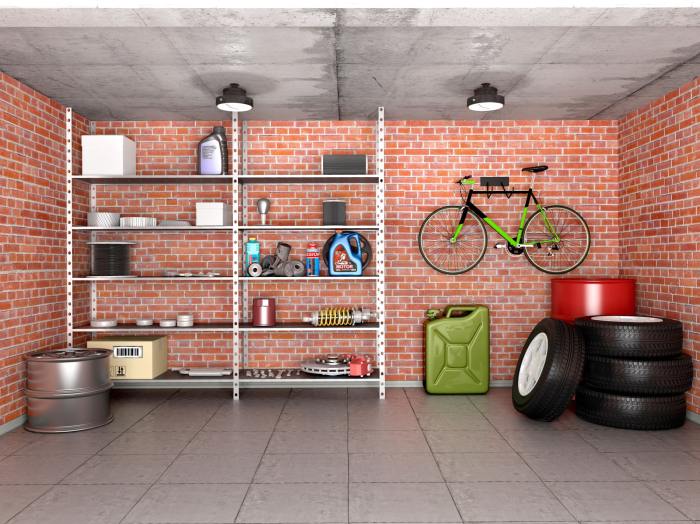
- Vertical Storage: Utilize wall space with shelves and hooks for items like bikes or tools.
- Hidden Storage: Incorporate furniture that doubles as storage, such as ottomans or benches.
Importance of Organization
Organization is key in a multifunctional living area. Creating designated zones for different activities helps maintain order and enhances usability.
Examples of Storage Furniture
Incorporate storage-friendly furniture such as modular shelving units, storage beds, and cabinets that fit under desks or tables to keep clutter at bay.
Swimming Pools and Spas
A garage conversion can also complement outdoor features such as pools or spas. Here’s how to create a cohesive indoor-outdoor connection.
Complementing Pool or Spa Areas
A garage conversion can seamlessly connect to a backyard pool or spa. Design elements should flow from indoor to outdoor, creating a unified space.
Design Strategies for Indoor-Outdoor Transition
Consider design strategies that enhance the transition:
- Large Windows or Sliding Doors: These can provide a visual connection and easy access.
- Consistent Flooring: Use similar materials inside and outside to unify the look.
Cohesive Aesthetic with Poolside Decor
Maintaining a cohesive aesthetic involves selecting decor that complements both the indoor living space and outdoor areas. Choose colors and materials that harmonize with the overall design to enhance appeal.
Wrap-Up
In conclusion, the journey of garage-to-living-space conversions is not just about remodeling; it’s about reimagining your lifestyle and elevating your home environment. By thoughtfully considering design choices, appliance needs, and even Feng Shui principles, you can create a beautiful and functional living space that reflects your personality and meets your needs.
Q&A
What are the main benefits of converting a garage?
Converting a garage increases usable living space, enhances property value, and offers the flexibility to create a personalized area tailored to your lifestyle.
Do I need a permit for a garage conversion?
Yes, most areas require permits for garage conversions to ensure compliance with local building codes and zoning laws.
What types of living spaces can be created from a garage?
You can create various spaces such as a guest suite, home office, gym, playroom, or entertainment area, depending on your needs and preferences.
Are there energy-efficient options for appliances in a garage conversion?
Absolutely! Many energy-efficient appliances are available, which not only save on energy costs but also help reduce your environmental footprint.
How can I ensure my converted garage is comfortable year-round?
Proper insulation, ventilation, and temperature control through heating and cooling systems are essential for maintaining comfort in your new living space.