Bathroom safety features play a crucial role in creating a secure and accessible environment, especially for the elderly and individuals with disabilities. With the bathroom being one of the most accident-prone areas in a home, implementing effective safety measures can significantly reduce the risk of falls and injuries. This article delves into the various safety features that can be integrated into bathrooms, highlighting their importance and functionality.
From grab bars and non-slip surfaces to smart home technologies, understanding these elements not only enhances safety but also brings peace of mind for families. As we explore the wide range of options available, you’ll discover practical tips on how to create a bathroom that prioritizes safety without sacrificing style.
Importance of Bathroom Safety Features
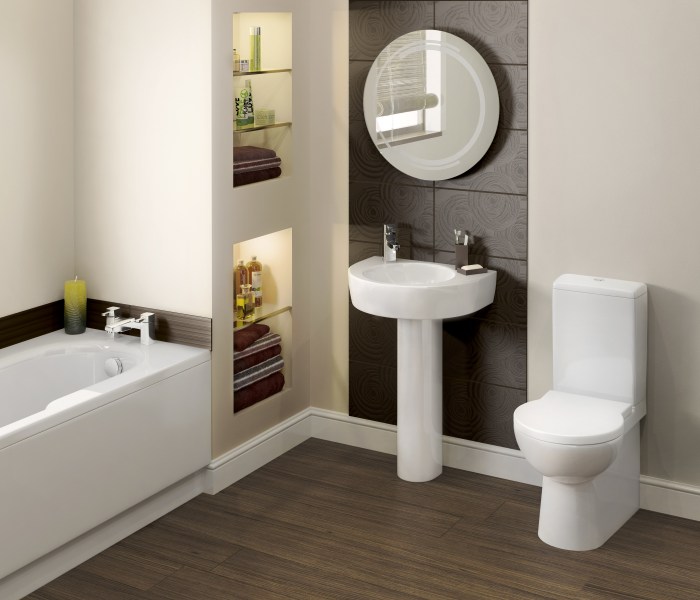
Incorporating safety features in bathrooms is essential for creating a secure environment, especially for the elderly and individuals with disabilities. Bathrooms can be hazardous spaces, and safety enhancements can significantly reduce the risk of accidents. By understanding the impact of these features, we can create safer living spaces for everyone.Bathroom accidents are common, with slips, trips, and falls being the leading causes of injury.
Safety features such as grab bars, non-slip mats, and accessible design can help prevent these incidents. For older adults and those with mobility challenges, these features offer not only protection but also a sense of independence in their daily routines.
Types of Bathroom Safety Features
A variety of essential safety features can be integrated into bathrooms to enhance their safety and usability. These features are designed to prevent accidents and support individuals in maintaining their independence.
- Grab Bars: These sturdy bars provide support when getting in and out of the shower or tub.
- Handrails: Typically used alongside stairs or in shower areas, handrails ensure stability.
- Non-slip Mats: Placed on the floor, these mats reduce the risk of slipping on wet surfaces.
- Shower Seats: Designed for those who may need to sit while bathing, providing comfort and safety.
- Walk-in Tubs: These allow for easier entry and exit, reducing the risk of falls.
Home Improvement Appliances for Bathroom Safety
Several home improvement appliances can enhance bathroom safety, making everyday tasks easier and reducing the likelihood of accidents. Smart home technology, such as motion sensors and alarms, can monitor bathroom safety and alert caregivers in case of emergencies. Additionally, heated floors are an excellent feature to consider, as they not only provide comfort but also help prevent slips and falls caused by cold, slippery tiles.
Bath and Shower Safety Features
Creating a safe bathing environment is crucial for preventing accidents. Accessible shower stalls that are designed without steps provide easy entry, making the bathing experience safer for everyone.Shower seats are an important feature, allowing users to sit comfortably while bathing. They come in various styles, including foldable options and those with back support. Handheld showerheads also add to mobility, allowing individuals to shower while seated or standing comfortably.
Home Improvement Cabinets for Storage and Safety
Organizing storage solutions in the bathroom is vital for minimizing clutter, which can lead to accidents. Child-proof cabinets are an essential feature, especially in homes with young children, preventing access to hazardous materials.Integrating first-aid kits into bathroom storage is a practical approach to safety. Having these kits on hand ensures that minor injuries can be addressed promptly, adding an extra layer of security in emergencies.
Cleaning Tips and Tools for Maintaining Safety
Regular cleaning and maintenance of safety features are crucial for their continued effectiveness. Non-slip surfaces must be cleaned with appropriate solutions to retain their grip quality. Using recommended cleaning tools, such as soft scrub brushes and non-toxic cleaning agents, can help maintain the integrity of safety features without causing damage. Regular maintenance checks will ensure everything remains in good working order, further enhancing bathroom safety.
Feng Shui in Bathroom Safety Design
Incorporating Feng Shui principles into bathroom design can create a safe and harmonious environment. Layout adjustments that promote flow can prevent accidents, while the strategic placement of mirrors can improve visibility.The choice of colors and materials also plays a vital role in creating a calming, safe atmosphere. Soft colors can enhance relaxation, making the bathroom a more inviting and secure space.
Flooring Options for Bathroom Safety
Selecting appropriate flooring materials is essential for slip resistance. Vinyl and tile flooring each have unique advantages for safety. Vinyl is soft and warm underfoot, while tile offers a more durable surface.For wheelchair accessibility, flooring installation must consider smooth transitions and leveled surfaces to prevent any barriers that could lead to accidents.
Home Improvement Furniture for Safety
Ergonomic furniture options are vital in enhancing safety within bathrooms. Proper seating arrangements can significantly reduce the risk of falls, especially in smaller spaces.When choosing furniture, it’s essential to select items that complement safety features without compromising style. Sturdy, well-placed benches and stools can provide support and comfort.
Green Living and Sustainable Bathroom Safety
Eco-friendly materials can enhance safety while also promoting sustainable living. Choosing non-toxic, sustainable products for safety features not only benefits the environment but also contributes to indoor air quality.Maintaining a green bathroom involves regular upkeep of safety features while prioritizing environmentally friendly practices. This approach ensures the space remains safe for all users.
Home Inspections Focused on Bathroom Safety
Conducting thorough home inspections focused on bathroom safety features is crucial for identifying potential hazards. A checklist can help homeowners and inspectors alike to ensure all safety measures are in place.Common issues identified during inspections include inadequate lighting, slippery surfaces, and poorly placed grab bars. Addressing these concerns before a sale can boost the home’s safety profile.
Interior Design and Decorating for Safety
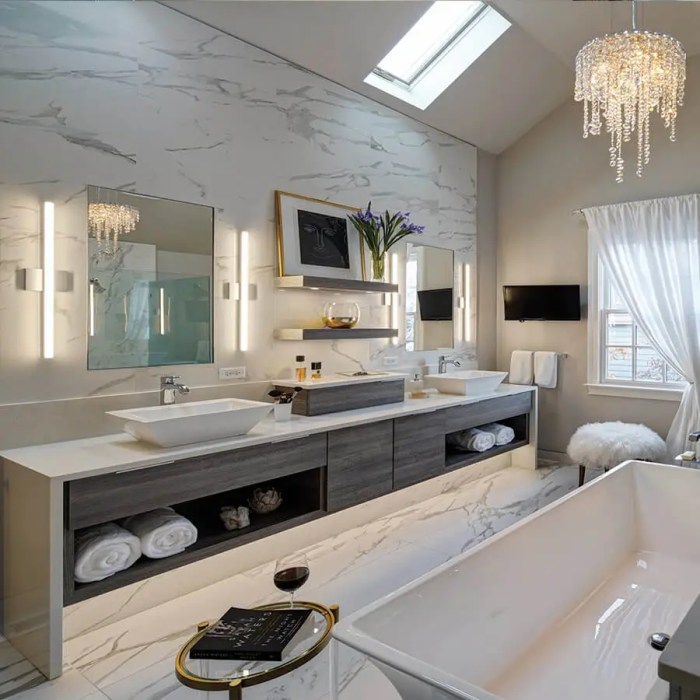
Designing a bathroom with safety in mind doesn’t mean sacrificing aesthetics. Thoughtful design tips can prioritize safety while creating a beautiful space.Proper lighting is essential for enhancing safety features, making sure all areas are well-lit. Additionally, choosing color schemes that evoke calmness can further promote a safe and inviting environment.
Remodeling Ideas with Safety in Mind
When planning renovations, designing a safe bathroom is a top priority. Selecting materials that enhance safety during remodeling can lead to a functional and secure space.Ensuring that mobility needs are addressed in the design phase will accommodate all users and minimize the risk of accidents in the revamped bathroom.
Security Measures in Bathroom Safety
Incorporating security features into bathroom designs enhances overall safety. Locks and latches can provide peace of mind, ensuring privacy and security for users.Integration of alarm systems can alert users and caregivers to potential hazards, creating an additional layer of safety for everyone in the home.
Storage Solutions for Bathroom Safety
Organized storage options ensure safety and accessibility in the bathroom. Storing hazardous materials securely helps prevent accidents, especially in households with children.Creating an organized storage system that minimizes clutter is essential for maintaining a safe environment, allowing easy access to necessary items while preventing trips and falls.
Safety Considerations for Swimming Pools and Spas
Safety features around pools and spas are critical for preventing accidents. Ensuring proper barriers, such as fences and covers, can significantly enhance safety for families.Regular maintenance and inspections are necessary to uphold safety standards, providing guidelines for families to follow in order to maintain a safe environment around these recreational areas.
Tools and Equipment for Home Improvement Safety
Choosing the right tools for bathroom safety enhancements is essential for effective installations. Tools specifically designed for these purposes can help guarantee a safe and secure environment.Using safety equipment during home improvement projects ensures that renovations adhere to safety standards, ultimately protecting all users within the space.
Window Safety Features in Bathrooms
Window safety is an important aspect of bathroom design. Selecting appropriate window treatments ensures privacy while enhancing safety.Choosing windows that provide adequate ventilation while maintaining safety features is key to promoting a healthy bathroom environment without compromising security.
Epilogue
In conclusion, investing in bathroom safety features is essential for fostering a secure living space for everyone, particularly those with mobility challenges. By integrating thoughtful design choices and innovative technology, homeowners can transform their bathrooms into safe havens. Remember, safety doesn’t have to come at the expense of aesthetics; instead, it can beautifully coexist, ensuring that every visit to the bathroom is a confident and comfortable experience.
Commonly Asked Questions
What are bathroom safety features?
Bathroom safety features include elements like grab bars, non-slip flooring, and shower seats designed to prevent accidents.
How can I make my bathroom safer for elderly individuals?
To enhance safety, consider installing grab bars, non-slip mats, and ensuring proper lighting.
What is the importance of non-slip mats?
Non-slip mats help prevent slips and falls, providing a safer surface in wet areas.
Are there smart home technologies for bathroom safety?
Yes, smart technologies can monitor bathroom conditions and alert caregivers about potential hazards.
How often should I check my bathroom safety features?
Regular inspections are recommended at least once a year or whenever you notice wear and tear on safety features.