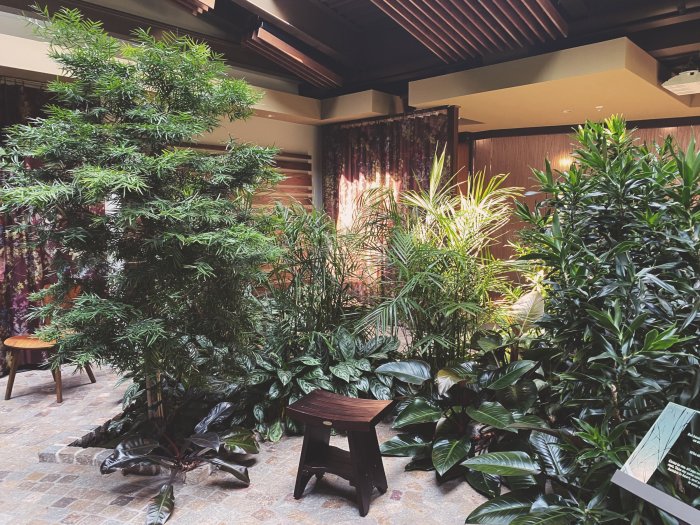
With planterior (plant-integrated plans) on the rise, home design is transforming into a green sanctuary where nature and architecture harmoniously coexist. The integration of plants not only beautifies spaces but also enhances our well-being and environmental sustainability, making our living areas healthier and more inviting.
This innovative approach encourages us to reimagine our homes, combining aesthetics with functionality, and fostering a lifestyle that supports both personal comfort and ecological balance. From bathrooms to living rooms, the incorporation of greenery is becoming a defining feature of contemporary design.
Introduction to Planterior Concepts
Planterior, a fusion of “plants” and “interior,” signifies a growing trend in modern home design that integrates greenery within living spaces. Its significance lies in the ability to create a more vibrant, healthier environment that supports both aesthetics and well-being. By incorporating plants into home plans, homeowners can enhance air quality, reduce stress, and elevate the overall mood of their spaces.Integrating plants into home designs offers numerous benefits.
Not only do they bring life and color to interiors, but they also improve air purification and can even lower energy costs by providing natural insulation. Successful examples of planterior designs can be seen in homes utilizing vertical gardens, living walls, and indoor plant corners that not only please the eye but also foster a closer connection to nature.
Home Improvement with Planterior
Planterior enhances overall home improvement projects by marrying functionality with beauty. The incorporation of plants can transform dull spaces into lively, inviting areas that stimulate creativity and relaxation. When selecting the right plants for various home environments, consider factors such as light availability, humidity, and the specific needs of each plant species.Key features of homes that incorporate planterior elements include open floor plans that allow for natural light, strategically placed windows that invite sunlight, and the use of materials that support plant health.
By embracing these elements, homeowners can create spaces that thrive with life.
Planterior Appliances
Home improvement appliances play a crucial role in maintaining plant health within planterior spaces. Innovative devices such as smart water systems and humidity monitors facilitate indoor gardening and ensure that plants receive the necessary care.
| Appliance | Function | Benefit |
|---|---|---|
| Smart Planter | Automated watering system | Ensures optimal hydration |
| LED Grow Light | Supplemental lighting | Promotes photosynthesis |
| Soil Moisture Meter | Measures soil moisture levels | Helps prevent over/under-watering |
Bath and Shower Integration
Incorporating plants in bath and shower areas enhances the overall atmosphere, creating a serene environment that promotes relaxation. Ideal plants for these humid conditions include ferns and peace lilies, which thrive in moisture. Cleaning tips for maintaining plants in humid environments include regular pruning to prevent mold growth and ensuring good air circulation. A well-thought-out layout can integrate plants into bathroom designs, using shelves or hanging planters to elevate greenery.
Cabinets and Storage Solutions
Cabinetry plays a pivotal role in planterior designs, providing essential storage while accommodating plant displays. Multifunctional cabinets can optimize space and create a visually appealing solution for both storage and plant care.Examples of multifunctional cabinets include those with built-in planters or shelving designed specifically for displaying plants, ensuring that they are a focal point rather than an afterthought.
Cleaning Tips and Tools for Planterior
To maintain a healthy planterior environment, effective cleaning practices are essential. Regularly dusting leaves, using gentle, plant-safe cleaners, and ensuring pots are clean can promote plant health.Necessary tools for maintaining a planterior environment include pruning shears, gentle brushes for dusting, and a spray bottle for misting. Organizing a checklist for plant care tools can help streamline the maintenance process, ensuring that all necessary supplies are readily available.
Concrete and Planterior
Concrete can serve as a versatile element in planterior designs, providing both structural support and aesthetic charm. Concrete planters are popular for their modern look and durability, enhancing the visual appeal of indoor gardens.Design ideas for combining concrete features with greenery might include creating concrete walls that serve as living canvases for climbing plants or using concrete benches adorned with potted flowers, creating a seamless transition between hardscapes and plant life.
Feng Shui and Plant Integration
Planterior aligns well with Feng Shui principles, which emphasize the importance of harmony and balance in living spaces. Certain plants, such as bamboo and peace lilies, are known to promote positive energy and well-being.For optimal plant positioning according to Feng Shui, place plants in areas that encourage good energy flow, such as corners and entryways, ensuring they are well-maintained to continue contributing to the positive atmosphere.
Flooring Options for Planterior Spaces
Flooring materials play a significant role in complementing planterior designs. Options such as natural wood, bamboo, and tile can create a cohesive look while supporting healthy plant growth.The impact of flooring choices on plant health and aesthetics is notable; for instance, hardwood floors can provide warmth, while tiles can enhance moisture control, making them ideal for plant-laden environments. A comparison of flooring options should consider durability, moisture resistance, and ease of maintenance.
Furniture that Supports Planterior
Furniture types that incorporate plant displays can enhance the ambiance of any room. Designs that feature built-in planters or shelves for greenery can contribute to a harmonious living space.Design tips for creating spaces that support planterior include selecting furniture that prioritizes open spaces and natural materials. Popular furniture styles conducive to plant integration include Scandinavian and mid-century modern, known for their emphasis on natural light and organic forms.
Green Living with Planterior
Planterior supports sustainable living by encouraging the use of indoor plants, which can significantly improve indoor air quality and contribute to environmental health. Statistics show that houseplants can reduce indoor air pollutants by up to 87% within 24 hours, making them an essential component of green living.Lifestyle changes that enhance green living through planterior include choosing native plants, reducing reliance on artificial fertilizers, and embracing composting practices that benefit both plants and the environment.
Home Inspections and Plant Health
During home inspections, professionals often look for signs of plant health and maintenance practices. Proper care, including pest management and appropriate watering techniques, can assure inspectors that the planterior design is thriving.Homeowners preparing for inspections should maintain a checklist that includes ensuring plants are healthy, cleaning pots, and presenting a well-organized plant display.
Innovative House Plans Featuring Planterior
Innovative house plans designed with planterior in mind feature open layouts that maximize natural light and airflow. Homes boasting large windows, skylights, and strategically placed indoor gardens exemplify this modern approach to architecture.Features that enhance plant integration in new builds include built-in planters along walls, green roofs, and atriums that facilitate the coexistence of architecture and nature. Visual representations of planterior-focused house layouts often highlight these elements, showcasing how they contribute to a sustainable lifestyle.
Interior Design and Decorating with Planterior
Techniques for integrating plants into interior design include using them as focal points, employing vertical gardening, and selecting complementary color schemes that enhance plant biodiversity. Color schemes that work well with plant life often include earthy tones and natural hues, which can create a calming atmosphere. Seasonal decorating with planterior themes can involve rotating plant selections and incorporating seasonal colors and textures.
Outdoor Spaces: Patio and Deck
Creating planterior themes in outdoor spaces such as patios and decks can extend the beauty of indoor designs into the fresh air. Choosing plants that thrive outdoors, such as succulents and flowering perennials, can create vibrant arrangements.Tips for seasonal care of outdoor planterior setups include ensuring adequate drainage, protecting plants during harsh weather, and using appropriate mulch to retain moisture and enhance soil health.
Remodeling Projects with Planterior in Mind
Design considerations for remodeling homes with planterior focus on maximizing natural light and creating spaces that accommodate plant growth. Challenges such as limited sunlight and structural limitations can be addressed with strategic design solutions.A timeline for remodeling projects that integrate planterior elements should account for plant selection, installation of necessary lighting, and ensuring that the space is conducive to plant health, making the overall process smoother and more efficient.
Roofing Solutions for Plant Integration
Green roofing options that support plant life are becoming increasingly popular. These roofs not only provide insulation but also enhance biodiversity and contribute to urban cooling.Successful examples of green roofs in residential areas showcase a variety of plants that thrive in these environments, offering both aesthetic and ecological benefits. Roofing systems designed for planterior should consider weight distribution and moisture management.
Security Considerations for Planterior Homes
Security measures that protect indoor plants can include window locks, surveillance systems, and secure outdoor enclosures for potted plants. These features ensure that the investment in a planterior design is safeguarded.Designing secure outdoor areas for plant display often involves using fencing, motion sensor lights, and strategic plant placement to deter theft while enhancing the beauty of outdoor spaces.
Storage Garage Solutions with Planterior
Integrating plant storage solutions in garages can be both functional and visually appealing. Organizing tools and plants requires thoughtful planning to maximize space while maintaining accessibility.A guide for maintaining a plant-friendly garage environment might include using vertical storage solutions, ensuring proper lighting, and creating dedicated areas for plant care supplies, ultimately fostering a harmonious balance between functionality and aesthetics.
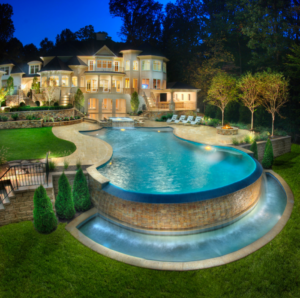
Swimming Pools and Spas with Planterior
Integrating plants around pools and spas can create a tranquil oasis. Choosing moisture-loving plants such as water lilies and ferns can enhance the natural beauty of these areas while contributing to a relaxing atmosphere.Maintenance tips for plants in high humidity and water areas include regularly checking for pests, ensuring proper drainage, and selecting hardy plants that can withstand fluctuating conditions.
Design ideas for a planterior-themed pool area might include creating plant-filled borders and using natural stones to complement the greenery.
Tools and Equipment for Planterior Maintenance
Essential tools for managing a planterior environment include watering cans, soil scoops, and plant food applicators. These tools help ensure that plants receive proper care and attention.Equipment that enhances plant health and growth may range from irrigation systems to plant stands that ensure optimal light exposure. A comprehensive list of tools for beginner planterior enthusiasts highlights the essentials needed to maintain a thriving indoor garden.
Windows and Natural Light for Plant Growth
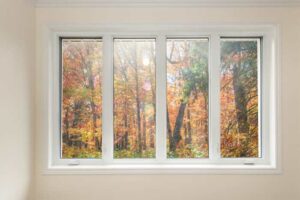
The importance of window placement for plants cannot be overstated. Well-placed windows can maximize natural light, ensuring that plants receive the energy they need to thrive.To maximize natural light indoors for plant health, consider using sheer curtains that diffuse sunlight, and positioning reflective surfaces nearby to enhance illumination. A guide for selecting window treatments that support planterior might include options that allow for flexibility in light management while maintaining aesthetic appeal.
Ultimate Conclusion
In conclusion, embracing planterior (plant-integrated plans) empowers us to create vibrant spaces that reflect our commitment to sustainability while enriching our daily lives. By thoughtfully integrating plants into our homes, we can enjoy the benefits of nature right at our fingertips, making every corner a little greener and a lot more serene.
User Queries
What are the main benefits of planterior designs?
Planterior designs improve air quality, enhance aesthetics, and promote mental well-being through the integration of plants in living spaces.
Can all types of plants be used in planterior?
Not all plants are suitable; it’s essential to choose plants that thrive in indoor environments and complement the specific conditions of each room.
How can I maintain plant health in a planterior setup?
Regular watering, appropriate lighting, and using the right tools and appliances are key to maintaining plant health in a planterior environment.
Are there specific furniture types that work best with planterior?
Furniture that features built-in planters or adjustable shelves for plant display is ideal for supporting planterior concepts.
What role does natural light play in planterior designs?
Natural light is crucial for plant growth, so positioning plants near windows and selecting appropriate window treatments can greatly enhance plant health.