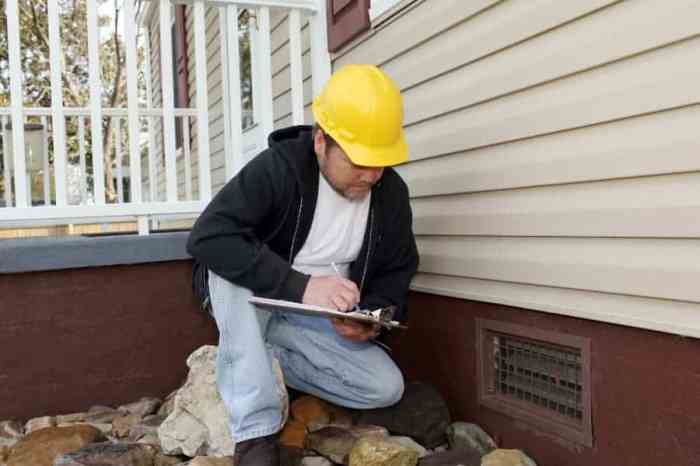
Foundation inspection guide begins with the essential understanding of safeguarding your home’s stability. A solid foundation is crucial not just for the structure but also for the overall functionality and aesthetic appeal of your property. Whether you’re a new homeowner or looking to maintain your existing residence, grasping the significance of foundation inspections can prevent costly repairs and enhance the longevity of your home.
This guide covers everything you need to know about foundation inspections, including common signs of distress, various foundation types, and how to prepare for an inspection. With insights on the relationship between foundation health and home improvements, plus methods and tools used in inspections, you’ll be well-equipped to ensure your home remains safe and sound.
Foundation Inspection Basics
Foundation inspections are a crucial aspect of home maintenance that homeowners often overlook. They help identify potential issues before they escalate into costly repairs or safety hazards. A thorough foundation inspection can provide peace of mind, ensuring that your home is structurally sound and safe for you and your family.Common signs of foundation issues include cracking walls, uneven floors, doors and windows that stick, and visible gaps between walls and floors.
Homeowners should be proactive in looking for these indicators, as early detection can save both time and money. Preparing for a foundation inspection involves several steps that help streamline the process. Begin by clearing the area around your foundation, both inside and outside, to give inspectors easy access. Gather any previous inspection reports, maintenance records, or repair documents that can provide context for the current inspection.
Understanding Foundation Types
Different types of foundations are commonly found in homes, each with unique characteristics and implications for inspection. The three main types are slab foundations, crawl space foundations, and basement foundations.
- Slab Foundations: These are flat concrete slabs poured directly onto the ground. They are cost-effective and popular in warmer climates. However, they can be prone to cracking due to soil movement.
- Crawl Space Foundations: These foundations are raised above the ground, allowing for ventilation and access to plumbing. They offer some protection against moisture but can be susceptible to pests and flooding.
- Basement Foundations: These are below ground level and provide extra living space. While they can enhance property value, they are more expensive to build and maintain, especially regarding water management.
The type of foundation significantly influences the inspection process, as each requires different techniques and considerations. For example, inspections of crawl spaces may involve navigating tight spaces, while basement inspections need to address potential water intrusion.
Home Improvement Connection
The health of a foundation directly impacts overall home improvement projects. A strong, stable foundation is essential for any remodeling efforts, as it supports the structural integrity of new additions or renovations. Conducting a foundation inspection prior to starting a home improvement project is critical to avoid complications later on.Homeowners should consider that foundation issues can affect the scope and budget of remodeling projects.
For instance, if significant repairs are needed, these may take precedence over aesthetic changes. A thorough foundation inspection can provide valuable insights and recommendations, ensuring that any remodeling efforts are built on solid ground.
Foundation Inspection Methods
Foundation inspections utilize various methods to assess the structural integrity of a home. Visual inspections are the most common, where inspectors look for visible signs of cracking, shifting, or settling. More advanced, tool-based assessments may also be conducted to gain a comprehensive understanding of the foundation’s condition.Common equipment used during inspections includes:
- Leveling Tools: These help determine if floors are even.
- Moisture Meters: These detect water presence, which can indicate potential issues.
- Infrared Cameras: These can identify temperature variations, suggesting moisture problems or insulation issues.
Technological advancements, such as drones, are enhancing foundation inspections by allowing inspectors to access hard-to-reach areas without needing scaffolding or ladders. This not only increases safety but also improves the efficiency of the inspection process.
Evaluating Inspection Results
Interpreting the findings of a foundation inspection report is essential for understanding the health of your home’s foundation. Reports often include terms like “settlement,” “soil movement,” and “cracking patterns,” which indicate specific types of issues. Common metrics to be aware of include:
- Crack Width: Wider cracks may suggest more severe issues.
- Elevation Changes: Significant shifts can point to structural instability.
- Moisture Levels: Elevated moisture can lead to mold and further foundation damage.
Based on inspection results, potential repair recommendations may include underpinning, slab jacking, or drainage improvements to mitigate future issues.
Home Improvement Appliances and Foundation
Certain appliances can affect home foundation stability, particularly heavy items like refrigerators and washing machines. Improper placement of these appliances can create uneven weight distribution, leading to foundation strain over time.To prevent issues, homeowners should:
- Ensure appliances are placed on level surfaces.
- Avoid overloading shelves or cabinets that could impact foundation stability.
- Regularly maintain appliances to prevent leaks that could compromise the foundation.
Maintaining the functionality of these appliances helps safeguard the foundation and ensures a stable living environment.
Addressing Foundation Issues
Addressing foundation problems involves various repair options tailored to the specific issues identified during an inspection. Common solutions include:
- Foundation Underpinning: This technique strengthens the foundation by extending it deeper into more stable soil.
- Slab Jacking: A method used to raise settled concrete slabs back to their original position using a hydraulic pump.
- Drainage Improvements: Installing proper drainage systems can prevent water pooling around the foundation, reducing pressure and moisture-related issues.
Consulting with foundation repair professionals is crucial for determining the best course of action. Regular maintenance and monitoring can also help prevent future foundation issues, preserving the integrity of your home.
Feng Shui and Foundation
Feng Shui principles emphasize the importance of a stable foundation for creating positive energy flow in a home. A well-maintained foundation is believed to support overall harmony and balance within the living space.To improve foundation energy flow according to Feng Shui:
- Keep the area around the foundation free of clutter.
- Ensure proper drainage to prevent stagnant water, which can disrupt energy flow.
- Use plants and landscaping to create a harmonious environment that supports the home’s foundation.
Focusing on these aspects can enhance both the physical and energetic stability of the home.
Home Inspections and Foundation
Foundation inspections differ significantly from general home inspections, focusing specifically on the structural integrity of the foundation. While general inspections provide an overview of a home’s condition, foundation inspections delve deeper into potential issues that could compromise safety.Including a checklist of foundation-related items during a home inspection is essential. Key items to consider are:
- Visible cracks in walls or ceilings.
- Signs of water intrusion or moisture buildup.
- Doors and windows that do not operate smoothly.
- Uneven floors or sloping surfaces.
Understanding these factors is vital for buyers looking to make informed decisions during the home buying process.
Home Improvement Remodeling and Foundation

Remodeling projects can significantly impact existing foundation structures. Homeowners should consider how design choices can ensure stability. For instance, adding heavy elements like new walls or fixtures may require reinforcement of the foundation.Design ideas that promote foundation stability include:
- Using lightweight materials in construction.
- Incorporating proper load distribution techniques in the design.
- Consulting with structural engineers to ensure compliance with foundation strength requirements.
Case studies have shown that neglecting foundation considerations during remodeling can lead to severe issues, emphasizing the need for thorough planning.
Advanced Tools and Equipment for Inspection
For a thorough foundation inspection, specific tools and equipment are essential. Key items include:
- Laser Levels: For precise measurement of elevations.
- Soil Probes: To assess soil conditions and stability.
- Vibration Sensors: To detect movement that might indicate issues.
Proper use of these tools can yield effective inspection results. Safety precautions, such as using personal protective equipment and ensuring areas are safe to access, are critical during inspections to prevent accidents.
Foundation Maintenance
Regular foundation maintenance can prevent major issues from arising. Homeowners should implement practices such as:
- Inspecting the foundation for cracks or signs of wear at least twice a year.
- Monitoring drainage systems and ensuring they function properly.
- Landscaping away from the foundation to divert water runoff.
Seasonal factors, such as heavy rains or drought, can significantly impact foundation integrity, making it essential to adjust maintenance practices accordingly. A structured maintenance schedule can aid homeowners in proactively managing their foundation’s health.
Closure
In summary, understanding your foundation is vital to maintaining a safe and healthy home. From the early signs of potential issues to the necessary inspection methods and maintenance tips, this foundation inspection guide equips you with the knowledge to take proactive steps. By addressing foundation concerns promptly, you can not only preserve your home’s integrity but also enhance its value for years to come.
FAQ Compilation
Why is a foundation inspection necessary?
A foundation inspection is essential to identify potential issues early, ensuring the safety and stability of your home.
How often should I get my foundation inspected?
It is advisable to have a foundation inspection every few years or after significant weather events.
Can I perform a foundation inspection myself?
While you can look for visible signs of issues, a professional inspection is recommended for an accurate assessment.
What are common signs of foundation problems?
Look for cracks in walls, uneven floors, or doors that stick, which can indicate foundation issues.
What should I do if my foundation fails?
If your foundation fails, consult with a structural engineer or foundation repair specialist to assess and address the situation.